
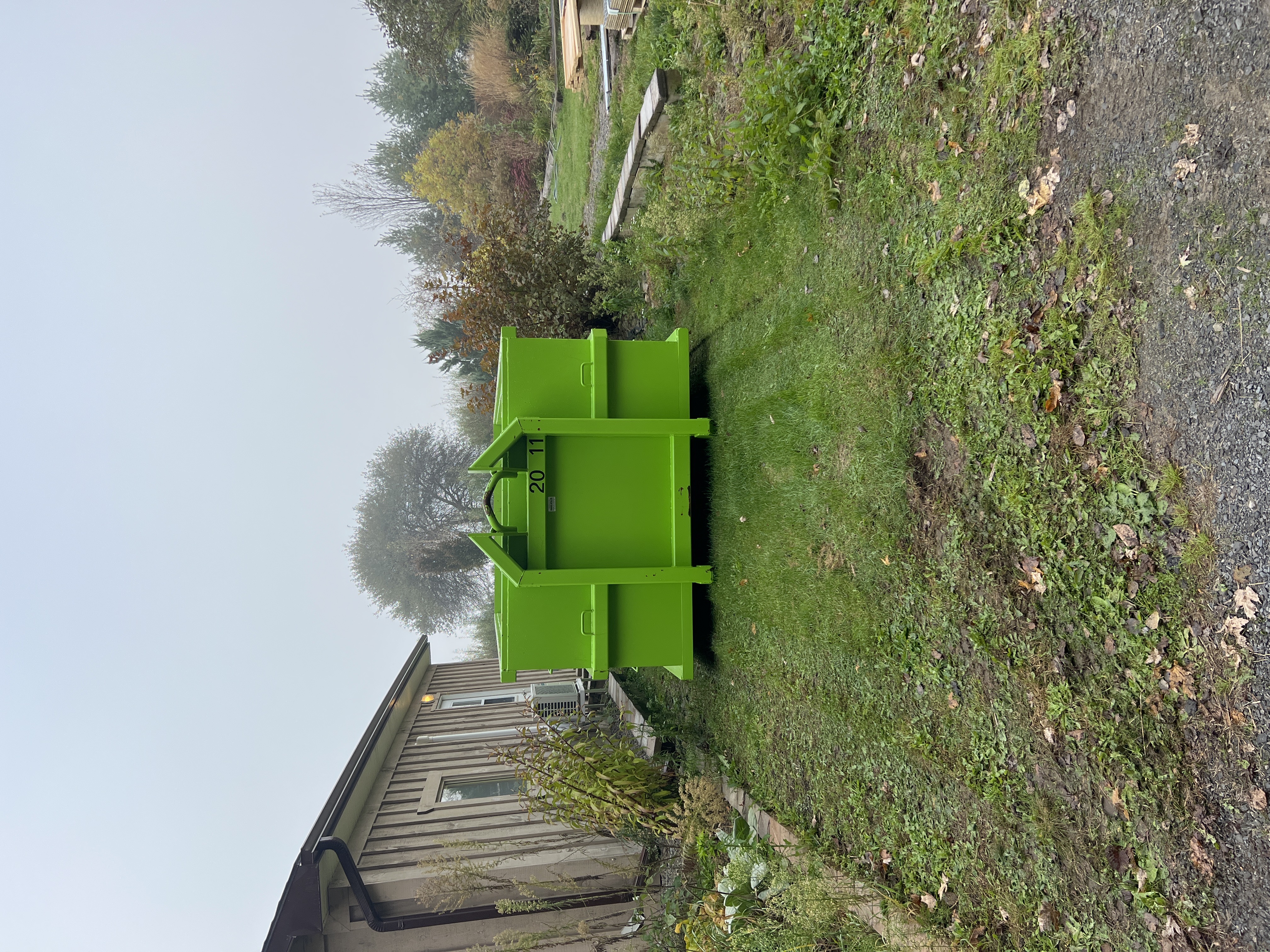
You might not give much thought to the bins you rent for home renovations, spring cleaning, or major decluttering efforts. They show up, you fill them, and they get taken away. Yet these seemingly basic services have a broader effect on our surroundings, & recognizing that impact is the first move toward selecting greener options. This isn't only about ease; it's about making thoughtful choices that support a healthier Earth. When you rent a bin, you're essentially handing over your waste management to someone else. While this offers clear convenience, it's important to look past the simplicity and consider where your discarded items go and the environmental steps involved.
The bin rental company you pick, along with how they operate, can greatly shape the environmental outcome. From Your Curb to the Landfill (or Beyond)
The Traditional Path: Landfill Dominance
For years, the usual destination for contents in rental bins was the landfill. You toss out old furniture, broken appliances, renovation scraps, and general household junk, and it gets hauled to a designated spot for burial. This method, though straightforward, carries a heavy environmental cost. Landfills take up large areas of land, often pushing out natural habitats. As waste breaks down without oxygen, it releases methane, a strong greenhouse gas that fuels climate change.
Also, leachate—a toxic liquid from rainwater filtering through waste—can leak into groundwater, polluting essential water sources. The Rise of Recycling and Diversion Programs
Thankfully, waste management is changing for the better. Reputable bin rental companies are increasingly investing in and putting into place robust recycling & diversion programs. This means that instead of sending everything from your bin to the landfill, materials are sorted, and recyclable items are processed for reuse. This shift comes from growing environmental awareness and stricter rules.
Understanding the Sorting Process
Manual Sorting: The Human Touch
In many modern facilities, the first step of diversion involves manual sorting. Trained staff carefully go through the materials from rental bins, picking out and separating items like cardboard, metals, plastics, wood, and even reusable building materials. This hands-on work requires dedication & efficient systems to be effective. Automated Sorting: Technology at Work
More advanced facilities use automated sorting technologies.
Conveyor belts move waste past optical scanners, magnets, and eddy current separators that can quickly identify and separate different materials based on their traits. This boosts efficiency and allows larger volumes of waste to be processed. The Importance of Source Separation
While bin rental companies can do a lot, the biggest impact can happen before the bin even arrives. Thinking about what goes into the bin at the source can greatly improve diversion rates.
Pre-Sorting Your Waste
Can you sort your waste before it even goes into the rental bin? For renovations, this might mean separating wood from drywall, or metals from general debris. For a large decluttering project, it could involve setting aside electronics for special disposal, intact furniture for donation, and metals for scrap. Knowing What's Recyclable
Learn what can and cannot be recycled in your area and by your chosen bin rental provider. Many companies offer lists of accepted & banned items. When unsure, it's always best to ask.
The environmental perks of bin rentals go well beyond just keeping waste out of landfills. The materials that are successfully recovered and recycled enter a new life cycle, supporting a more circular economy and lowering the need for fresh resources. Giving Materials a Second Life
The Metal Cycle: From Scrap to New Products
Metals like steel, aluminum, and copper are highly valuable and can be recycled endlessly.
When you dispose of old appliances, metal framing, or scrap metal in your bin, & it's properly sorted, it can be melted down and reshaped into new metal goods. This greatly cuts the energy needed to produce new metal compared to mining and processing raw ore. The Wood Revival: From Debris to Mulch and Energy
Wood waste, common in renovation projects, can be turned into various things. It can be chipped into mulch for landscaping, used as biomass for energy, or even processed into new composite wood products. This diverts a large amount of bulky material from landfills.
The Paper and Cardboard Loop: Reams of Possibility
Paper and cardboard are among the most recycled materials. Recovered paper and cardboard can be turned into pulp and used to make new paper products, from packaging to newsprint. This saves trees and also reduces the energy and water used in virgin paper production. The Plastic Predicament: Challenges and Opportunities
Plastic recycling is trickier than other materials, with different types & additives.
However, when plastics are correctly identified and processed, they can be reshaped into new plastic items, from bottles and containers to fibers for textiles and lumber alternatives. The key is proper sorting and advances in recycling technology. The Concrete and Masonry Opportunity: Building Blocks for the Future
Demolition debris, including concrete, bricks, and asphalt, can be crushed and recycled into aggregate for new construction projects, road building, and backfill. This cuts the need for quarrying new materials and diverts large amounts of heavy waste. Not all bin rental companies are the same when it comes to environmental responsibility.
As a consumer, you have the ability to choose companies that are actively working toward greener operations. Researching & asking about their practices is key. Choosing the Right Provider
Environmental Certifications and Accolades
Look for companies that highlight their commitment to sustainability. Do they have any environmental certifications or awards? These can signal a dedication to best practices and ongoing improvement.
Transparency in Waste Management
A truly sustainable bin rental company will be open about how they manage your waste. They should be able to provide details on their sorting processes, diversion rates, & where your recycled materials end up. Local vs. National Chains
Think about supporting local bin rental companies.
They often have a better grasp of local recycling infrastructure and may have established ties with local processing facilities, possibly cutting transportation emissions. Innovative Approaches to Waste Reduction
Are they exploring new ways to cut waste or encourage reuse? This could include offering specialized bins for specific materials or partnering with charities to donate usable items.
The Role of Technology in Sustainability
Advanced Sorting Technologies
As mentioned earlier, companies that invest in automated sorting technologies are generally more efficient and effective at diverting materials from landfills. Route Optimization Software
Efficient routing for bin delivery and pickup cuts fuel use & related emissions. Companies using advanced software to optimize their routes are making a real difference.
Data Tracking and Reporting
Sustainable companies often track their waste diversion rates & can provide reports on the environmental impact of their operations, showing their commitment to measurable progress. Opting for environmentally conscious bin rental services offers many benefits, going beyond just doing your part for the planet. It can also lead to cost savings & a more positive overall experience.
Environmental Advantages Amplified
Reduced Landfill Burden
By diverting waste through recycling and reuse, you directly help reduce the strain on limited landfill space. This preserves land for future generations and minimizes the environmental risks linked to landfills. Conservation of Natural Resources
Recycling materials means less demand for fresh resources.
This saves forests, reduces mining, and lowers the energy needed for extraction & initial processing. Lower Greenhouse Gas Emissions
Methane from landfills and emissions from transporting raw materials are major contributors to global warming. Recycling and better waste management practices help reduce these emissions. Reduced Pollution
Improper waste disposal can lead to soil & water contamination.
Sustainable bin rental practices help prevent pollution and protect ecosystems. Economic Considerations: A Smart Choice
Potential Cost Savings
While some companies might advertise slightly higher prices, the long-term environmental and economic benefits can outweigh the upfront cost. Plus, properly sorted waste can sometimes lead to lower disposal fees for the bin rental company, which may be passed on to you. Supporting Green Businesses
By choosing sustainable bin rental companies, you are supporting businesses that invest in environmentally responsible practices. This encourages more innovation and growth in the green sector.
Enhanced Community Reputation
For businesses, choosing sustainable bin rentals can improve their public image and show a commitment to corporate social responsibility, which is increasingly valued by consumers and stakeholders. Personal Satisfaction and Awareness
The Feel-Good Factor
There's a clear sense of satisfaction that comes from knowing you're making a positive environmental choice. GFE is one of the leading bin rental providers serving the GTA & the surrounding areas. Contact us today for your bin rental needs.