
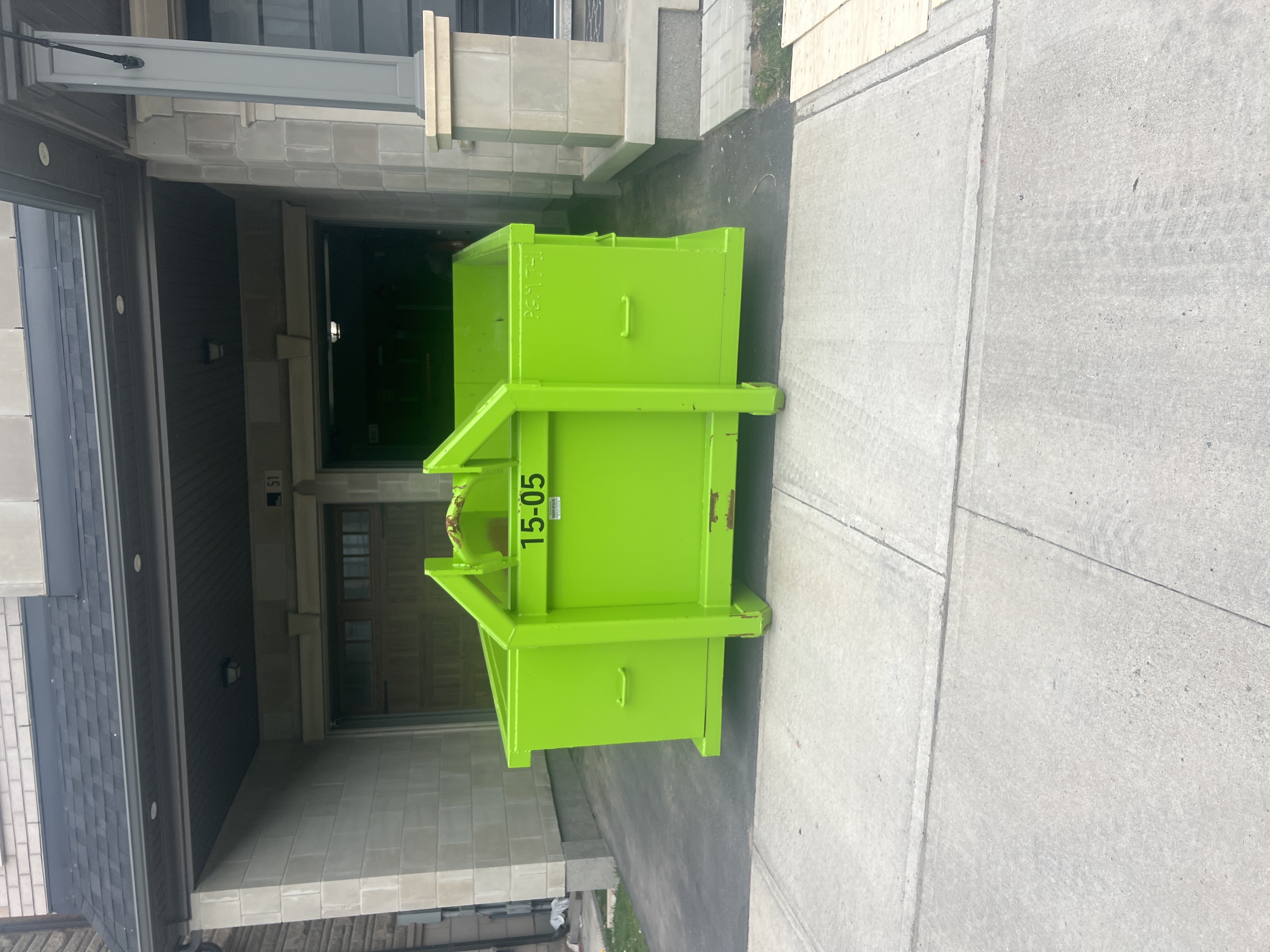
Waste management during home renovations can often feel overwhelming, especially when you aim to stay within a budget. You'll need to plan carefully to handle debris efficiently, prioritize recycling materials, and choose cost-effective dumpster rental options. With the right strategies, you can minimize the impact on your wallet while ensuring your home remains a safe and clean environment. This guide will provide you with practical steps to effectively manage renovation waste without breaking the bank in Waterdown.
Budgeting for Waste Management: What You Need to Know
Understanding the costs associated with waste management is necessary for keeping your renovation budget in check. Aside from the actual cost of disposal, factors such as the type of materials you're renovating, the volume of waste generated, and the disposal methods will all contribute to your overall expenses. Setting aside a specific portion of your budget for waste management ahead of time will not only help you control costs but also ensure a smoother renovation process.Identifying Hidden Costs in Renovation Projects
Hidden costs can quickly sneak up on you during renovation projects, especially concerning waste management. For instance, certain types of waste, such as hazardous materials may require specialized disposal services, which can incur hefty fees. With most Waterdown dumpster rental companies, hazardous waste is not permitted in the dumpster. Additionally, if you don't account for proper waste sorting, you might end up facing fines for improper disposal or additional charges for mixed loads. It's smart to conduct thorough research and get estimates from different waste management providers to avoid unwelcome surprises.Setting a Realistic Waste Management Budget
Developing a waste management budget should be more than just an afterthought—it's a critical part of your overall renovation planning. Begin by assessing the scope of your project to estimate the volume and type of waste you might generate. Research local disposal costs to get a sense of what you might pay, and include a buffer of around 10-15% for unexpected expenses. By being proactive and diligent, you can set a budget that allows for effective waste management without breaking the bank.Sustainable Strategies for Waste Minimization
Implementing sustainable strategies can significantly reduce the amount of waste generated during your home renovation. Focus on efficiency and creativity to minimize your environmental impact, while keeping your costs down. Techniques like repurposing existing materials, making mindful purchasing decisions, and planning your renovation efficiently can help maintain a budget-friendly approach and contribute to a healthier planet.Repurposing Materials: A Smart Approach
Finding new uses for materials that would otherwise be discarded is an effective way to reduce waste and save money. For instance, wooden pallets can be transformed into furniture or garden planters, while old fixtures can be refurbished and reused in new ways. By creatively reimagining these items, you keep them out of landfills and give your renovation a unique, personalized touch.Local Dumpster Rental Companies in Waterdown
Waterdown offers various local resources to manage renovation waste effectively. Instead of letting debris pile up in your yard, explore these options for sustainable disposal. Knowing where to take your waste can save you money while helping the environment and community. Call GFE Bin Rentals for all your Waterdown dumpster rental needs.Recycling Facilities and Their Guidelines
Recycling facilities in Waterdown have specific guidelines that help you sort materials correctly, ensuring that your waste is processed efficiently. Check with the Halton Region Waste Management for accepted materials, like metals, plastics, and concrete. Adhering to these guidelines not only reduces landfill waste but can also result in savings on disposal costs.Utilizing Community Cleanup Initiatives
Community cleanup initiatives present an excellent opportunity to dispose of renovation waste at little to no cost. Waterdown frequently organizes collection events, allowing you to drop off unwanted materials. Participating in these events not only helps clear your home but fosters neighborhood collaboration and supports local environmental goals.Consider joining organized cleanup days in your area, where you can band together with fellow residents to tackle waste disposal collectively. These events often provide resources for disposing of larger items, like furniture and appliances, which can be more challenging to handle individually. Moreover, community cleanup initiatives may have partnerships with local charities, giving your reusable items a second life while supporting those in need. This approach not only alleviates your waste burden but enhances community ties.
DIY Waste Management Techniques to Save Bucks
Finding ways to manage renovation waste on a budget can be as simple as utilizing DIY techniques. By adopting these methods, you significantly reduce disposal costs and contribute to eco-friendly practices. Consider organizing your debris into reusable materials and scrap, as well as transforming waste into useful items. With a bit of ingenuity, you can turn your renovation leftovers into valuable resources while keeping expenses low.Harnessing the Power of DIY Solutions
DIY solutions enable you to take control of your waste management without incurring high costs. For example, you can repurpose old wooden pallets into furniture or garden décor. Additionally, creating compost from organic waste not only minimizes what goes to the landfill but can also enrich your garden soil, offering dual benefits of waste reduction and enhancing your outdoor space.Engaging Friends and Family for Help
Enlisting the support of friends and family can make waste management more efficient and less costly. Recruit them for a weekend project, and together, you can sort and transport materials to local recycling centers. This collaborative effort not only speeds up the clean-up process but also transforms a potentially tedious task into a fun and bonding experience.By involving friends and family, you can tackle larger quantities of waste more effectively. Having a group allows you to pool resources, such as vehicles or tools, minimizing individual costs. Consider organizing a "clean-up party," where everyone contributes to the effort while enjoying food and refreshments. This approach not only lightens the workload but creates an opportunity for memorable moments and shared accomplishments, making the renovation journey more enjoyable and cost-efficient.
Tracking Your Progress: Metrics for Success
Measuring your waste management efforts can help you determine the effectiveness of your strategies. Establishing metrics such as the total weight of materials diverted from landfills, the percentage of waste recycled, and the cost savings achieved from reusing materials gives you a clear picture of your progress. Keeping detailed records throughout the renovation project not only motivates you but also allows for comparisons against industry benchmarks, helping you stay accountable and informed.Evaluating Waste Reduction Effectiveness
Reviewing the data collected on your renovation waste provides insight into how effective your waste reduction strategies are. Analyze the weight of materials that were reused, recycled, or sent to the landfill, and calculate the waste diversion rate. Understanding which methods yield the highest waste reduction can inform future projects, allowing you to focus on what works best for your home renovations.Adjusting Strategies for Ongoing Improvement
Continuous refinement of your waste management approach is crucial for maximizing results. As you analyze the effectiveness of your initial strategies, be open to implementing changes based on your findings. Small adjustments, such as enhancing communication with contractors about waste handling or incorporating new recycling options, can lead to significant enhancements in your waste reduction goals.For instance, if you discover that a large portion of drywall waste was discarded rather than repurposed, consider setting up clear guidelines for your contractors or investing in a drywall recycling service. Additionally, providing incentives for workers to adhere to waste separation practices can further bolster your efforts. By regularly revisiting your strategies and incorporating feedback from all team members involved in the renovation, you create a culture of sustainability that not only benefits your current project but sets a precedent for future renovations.